Thai · Noodles
Thai Boat Noodles (泰国船面)
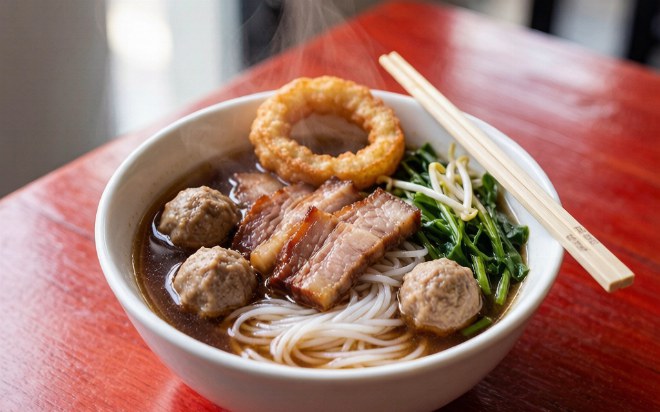
Dark Thai boat noodle broth simmered three hours with lemongrass, galangal and a spice bundle, over rice noodles with pickled greens and chili vinegar.
Instructions
-
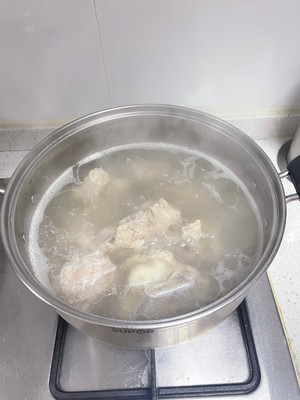 Blanch the bones: put the pork bones in a large pot, cover with cold water, add a few scallion pieces and a splash of Shaoxing wine or vinegar, and bring to a boil. Boil hard for 3 minutes, then drain and rinse the bones under cold water to remove every trace of grey scum.
-
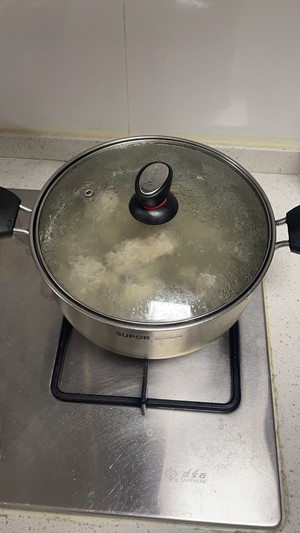 Build the broth: return the clean bones to the pot with 4 quarts of warm water. Bring to a boil, skim off any foam that rises, then lower the heat to a bare simmer and cook for at least 60 minutes, skimming whenever more scum appears.
-
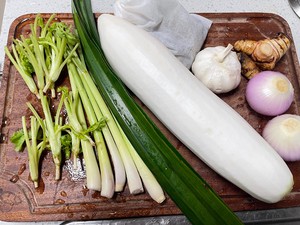 While the bones simmer, prep the aromatics: cut the radish into sections, trim and bruise the lemongrass, slice the galangal, halve the onion and garlic, and rinse the cilantro roots and pandan leaves. Knot the pandan leaves the way you would tie scallion greens.
-
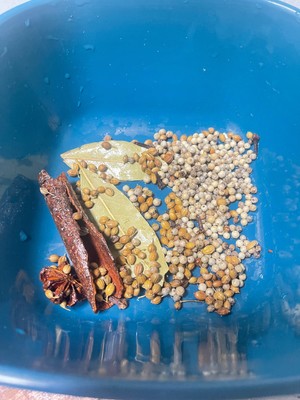 Make the spice bundle: toast the coriander seeds, white peppercorns, cloves, bay leaves, star anise and cinnamon in a dry pan for 1–2 minutes until fragrant, then tie them in a square of cheesecloth or a spice bag. Rinse the bundle briefly so it does not cloud the broth.
-
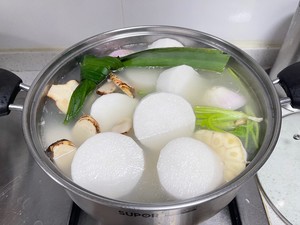 After the first hour, add all the aromatics and the spice bundle to the pot. Bring back to a gentle simmer and cook for another 30 minutes.
-
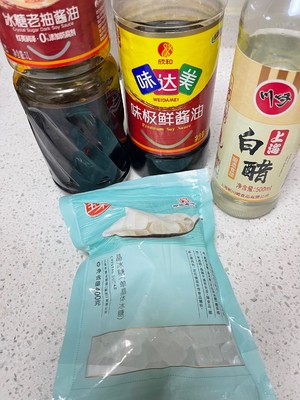 Season the broth: add the dark soy sauce, light soy sauce, white vinegar and rock sugar. Stir to dissolve the sugar, then continue to simmer, covered, for another 90 minutes — a total of about 3 hours from the start.
-
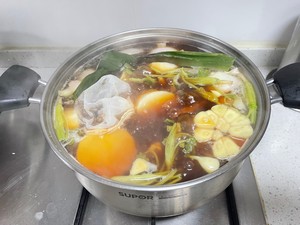 Finish the broth: taste it, then add the fish sauce and adjust. The finished broth should taste intensely savory, faintly sweet and aromatic — richer than you think it needs to be, because the noodles and vegetables will dilute it. Strain out all the solids and keep the broth hot.
-
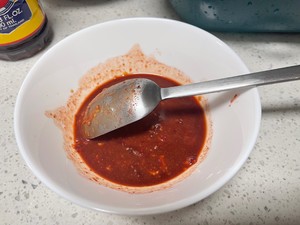
 Make the condiment: whisk the vinegar, light soy sauce, sugar, mashed fermented bean curd and crushed chili together until the bean curd has dissolved completely. Set it on the table in a small bowl.
-
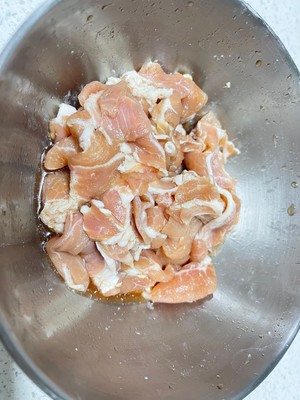
 Marinate the pork: toss the sliced pork shoulder with 1 Tbsp light soy sauce, 1 tsp sugar, 1 tsp oil and a pinch of white pepper. Rest for 30 minutes while you prep the vegetables.
-
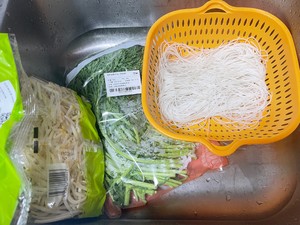
 Prep the noodles and vegetables: soak the rice noodles in warm water until pliable (they will finish cooking in the broth). Blanch the water spinach and bean sprouts in a separate pot of boiling water for 30 seconds, then drain. If using meatballs, poach them in water until they float.
-
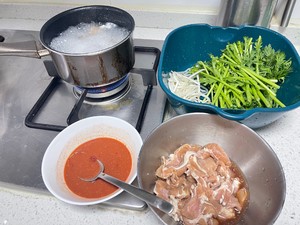 Cook the pork: bring a ladleful of the strained broth to a boil in a small pot and poach the marinated pork slices for 1–2 minutes until just cooked through — cut a piece to check that there is no pink. Set aside.
-
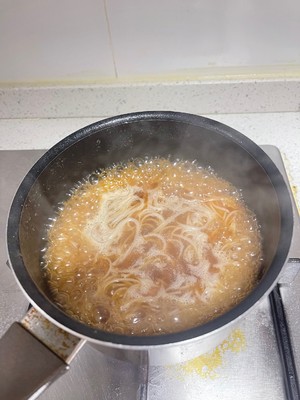
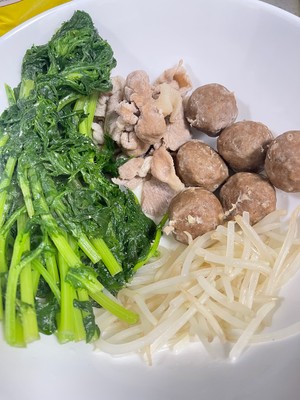 Assemble each bowl: cook a portion of rice noodles directly in a ladle of the hot broth for about 30 seconds, then slide the noodles into a bowl. Arrange the pork slices, meatballs, water spinach and bean sprouts on top, and ladle the hot broth over everything.
-
 Serve immediately with the chili-vinegar condiment on the side, letting each person season their own bowl to taste.
Why this recipe works
Boat noodles look intimidating because of the ingredient list, but the method is three simple moves done patiently.
1. Blanch, then simmer, never boil. Blanching the bones first — a hard 3-minute boil followed by a rinse — removes the blood and impurities that would otherwise cloud the broth and give it a metallic edge. After that, the pot stays at a bare simmer for three hours. A boil emulsifies fat into the liquid and turns it grey; a simmer draws collagen out slowly and leaves the broth clear enough to see through.
2. Two-stage aromatics. The bones go in first, alone, so they can release their collagen into clean water. Only after an hour do the aromatics and toasted spices go in — lemongrass, galangal, cilantro root, pandan and a spice bag. Adding them too early would boil away their volatile perfumes over three hours; adding them late means they perfume the broth right to the end.
3. Over-seasoning on purpose. Rice noodles, water spinach and bean sprouts are all bland and all release water into the bowl. The broth is therefore deliberately seasoned past the point of comfortable tasting on its own, so that once it is diluted by the noodles it lands exactly right. Follow those three moves and the finished boat noodle broth lands closer to a Bangkok canal-side bowl than any shortcut version you have tried.
About the dish
Boat noodles take their name from where they were sold: narrow wooden boats plying the canals (khlongs) of old Bangkok, each cook balancing a pot of broth and a stack of small bowls. The small bowl size was practical — a cook could hand one over, take payment, and move on — and it survives today as the reason boat noodles are served in small, inexpensive portions that people eat several of in a row.
The flavor profile is distinctly Thai rather than Chinese: where a Chinese pork noodle soup leans on soy and ginger, this one leans on lemongrass, galangal and cilantro root, with a sour-spicy vinegar condiment on the table that each diner adds to taste. The version here follows a home-cook's approach to the classic — pork bones, a spice bundle and a three-hour pot — that comes remarkably close to the canal-side original.
What to serve with it
Boat noodles are a meal in a bowl, but the chili-vinegar condiment is what makes it interactive — start with a teaspoon and work up. For a Thai street-food spread, add a plate of Thai-style skewers and finish with something cool; if you want to keep the noodle theme going all week, this broth pairs well with a simpler rice noodle soup made from the leftovers. Unlike stall versions that rely on fresh blood, this pork broth keeps its deep color from dark soy alone, so the leftovers taste just as good on day two. Three hours sounds like a lot until you taste it.
Pro tips
- The three-hour simmer is not optional — boat noodle broth gets its body from collagen drawn slowly out of the bones, and nothing shortcuts that. A rolling boil makes it cloudy; keep it at a bare simmer.
- Skimming the scum in the first hour is what separates a clear, clean-tasting broth from a grey, muddy one. Keep a ladle and a bowl beside the pot.
- Toast the whole spices before they go in the bag. Raw spices float in the broth and taste flat; toasted ones bloom and perfume the whole pot.
- Season the broth stronger than you think you should. Rice noodles are bland and the vegetables add water, so the broth needs to taste almost too intense on its own to taste right in the bowl.
- Cook the noodles in the broth itself for the last 30 seconds — never in plain water — so they pick up the flavor. Pre-soaked dried noodles only need a brief dip.
- Make the broth a day ahead if you can. Chilling it overnight lets the fat rise and solidify on top so you can lift it off, and the flavor deepens as it rests.
Storage & leftovers
- Store the strained broth in the fridge for up to 4 days; lift off the set fat before reheating.
- Freeze the broth in portions for up to 2 months. Thaw overnight and reheat on the stove.
- Cooked noodles and vegetables do not keep well — assemble only what you will eat, and keep the components separate in the fridge for up to 2 days.
Frequently asked questions
What are Thai boat noodles?
Kuai tiao ruea (ก๋วยเตี๋ยวเรือ) — literally 'boat noodles' — is a Thai street soup traditionally sold from boats on Bangkok's canals. The signature is a dark, intensely aromatic pork or beef broth perfumed with lemongrass, galangal and whole spices, served in small bowls with rice noodles, greens and a sour-spicy vinegar condiment.
What bones should I use?
Pork leg bones or neck bones with plenty of joint and marrow are ideal — they release the collagen that gives the broth its body. Ask the butcher to cut them through the joint. Beef bones work too, but the flavor will be beefier and less sweet.
Can I make it less spicy?
Yes. The chili heat comes almost entirely from the table condiment, so leave it off and the broth itself is only gently warming from the white pepper and aromatics. Add the condiment a few drops at a time.
What can I substitute for galangal or pandan?
Galangal has no true substitute, but extra ginger with a slice of lime leaf gets you partway there. Pandan leaves are optional — they add a soft floral note; skip them rather than substituting vanilla, which is a common but wrong suggestion.
Where do I find fermented bean curd?
Look for white fermented bean curd (南乳) in the Asian aisle — it comes in a jar, cubed in brine. It gives the condiment its creamy, funky depth. Miso paste is the closest substitute if you cannot find it.
Can I make the broth ahead?
Absolutely, and you should. The broth keeps in the fridge for up to 4 days or frozen for 2 months. Reheat gently and re-season with fish sauce at serving time, since the flavor dulls slightly in storage.
Does this recipe use pork blood?
No — the broth's inky color comes from dark soy sauce and a three-hour bone simmer, not blood. Street versions often stir in fresh pork or beef blood for extra body, but this home version skips it: you get the same deep, savory darkness with supermarket ingredients, and the broth stays clearer and reheats better.