Chinese home style · Stir-Fry Classics
Tomato Egg Stir-Fry (西红柿炒蛋)
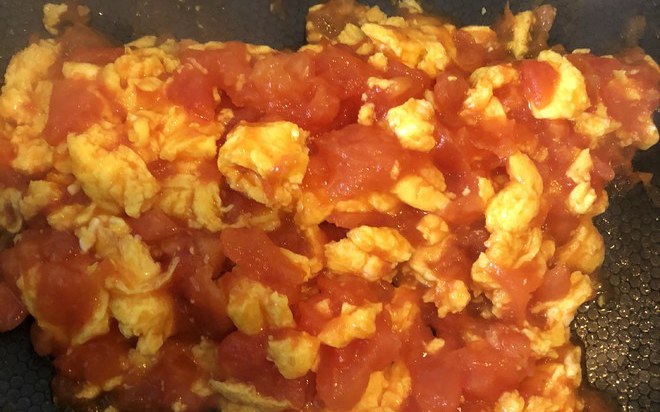
China's ultimate comfort dish (西红柿炒蛋): silky, barely-set eggs folded into jammy, juicy tomatoes — plus the two extra steps that make it melt-in-your-mouth tender.
Instructions
-
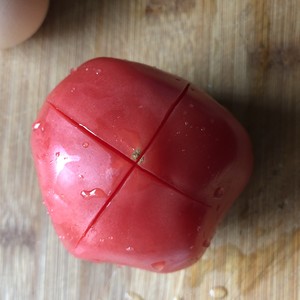
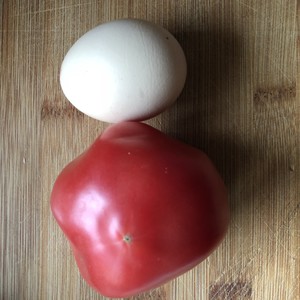 Score a shallow X on the bottom of each tomato. Drop them into a bowl and cover with just-boiled water for about 1 minute, until the skin around the cuts starts to peel back. Drain, and the skins will slip off with your fingers or a paring knife.
-
 Cut the peeled tomatoes into bite-size chunks — roughly 3 cm (1¼ inch) pieces. Small chunks break down into sauce as they cook; don't dice them or you'll lose all the juicy texture.
-
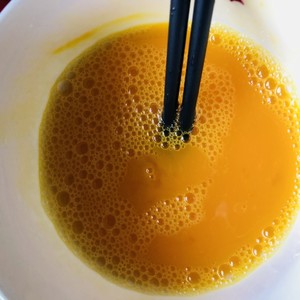 Beat the eggs with ½ tsp of the salt and all of the cold water — about one-sixth of the egg volume — until completely homogeneous. The salt seasons early and the water keeps the curds tender and springy.
-
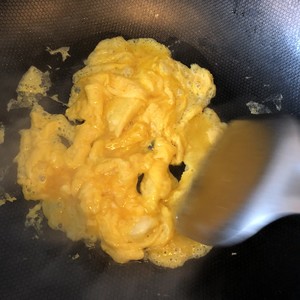 Heat a wok or nonstick skillet over medium-high heat, add 1 Tbsp of the oil, and pour in the eggs. Immediately push the setting egg from the edges toward the center with a spatula, letting the liquid egg run out to the pan. Keep pushing for 1–2 minutes total.
-
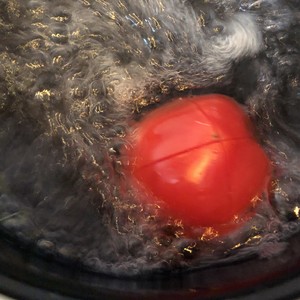 Turn off the heat while the eggs still look slightly wet and glossy — not fully set. Slide them onto a plate. They will finish cooking from residual heat and stay bouncy; eggs cooked until firm in the pan end up rubbery by serving time.
-
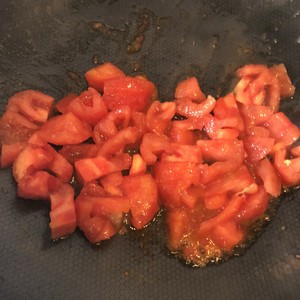 Wipe the pan, add the remaining 1 Tbsp oil, and set it over low heat. Add the tomato chunks and cook, stirring and pressing them with your spatula and cutting them into smaller pieces as they soften, 5–6 minutes, until they collapse into a thick, saucy pulp. No ketchup needed — patience creates the jammy body.
-
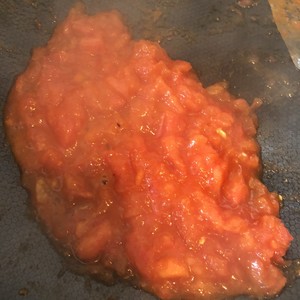 Season the tomato sauce with the remaining ¼ tsp salt and the sugar (if using), then return the eggs. Fold everything together over low heat for 20–30 seconds, just until the eggs are heated through and still tender. Do not stir violently — big soft ribbons of egg are what you want.
-
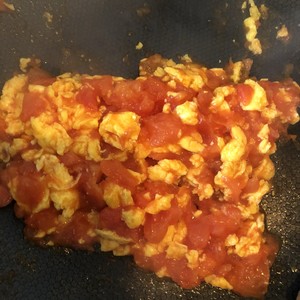 Plate immediately and shower with toasted sesame seeds. The eggs should be silky, the tomatoes juicy, and the two barely holding together — spoon it over rice, noodles, or toast.
Why this recipe works
Tomato and egg is the first dish most Chinese kids learn to cook, which makes it easy to underestimate. The “浓郁嫩滑” (rich and silky) version takes two extra steps that change everything.
1. Eggs with salt and a splash of water. Salt beat into the eggs before cooking slightly unravels the egg proteins, so they set into a softer, more forgiving curd. The small amount of water — about one-sixth of the egg volume — steams from inside the curd as it cooks, keeping it springy. This is the home-kitchen version of what French cooking does with cream.
2. Stopping the eggs early. Eggs keep cooking after they leave the pan; carryover heat is enough to take them from “just set” to “rubber” in the time it takes to cook the tomatoes. Pulling them while still glossy and letting the hot tomato sauce reheat them at the end means they arrive at the table tender, not squeaky.
3. Tomatoes mashed into their own sauce. Low heat plus patient pressing breaks the tomato cells down into a thick, sweet-tart pulp. That concentrated pulp is what makes the dish taste “rich” — and it is exactly why this version needs no ketchup to thicken it. No shortcuts — just the way fan qie chao dan has been cooked in home kitchens for generations.
About the dish
Ask ten Chinese people for their mother's tomato-and-egg recipe and you'll get ten slightly different dishes — it is arguably the single most-cooked dish in China, the benchmark every young cook is judged by. Some fry the eggs into fluffy clouds, some make it soupy, some add scallions, and a national debate rages over whether to add sugar.
This “rich and tender” school of the dish treats it more like a sauce: tomatoes cooked down until jammy, eggs barely set so they melt into the sauce. It's the version that makes people go quiet at the dinner table, and it pairs with far more than rice — the original author notes it disappears happily into noodles and even toast.
Tomatoes themselves are latecomers — the fruit only reached ordinary Chinese kitchens in the early twentieth century — but the soft-scrambled egg technique they met was already old. The pairing needed no ceremony: five minutes, one wok, and a national agreement that whoever cooks it best is the family's real cook.
What to serve with it
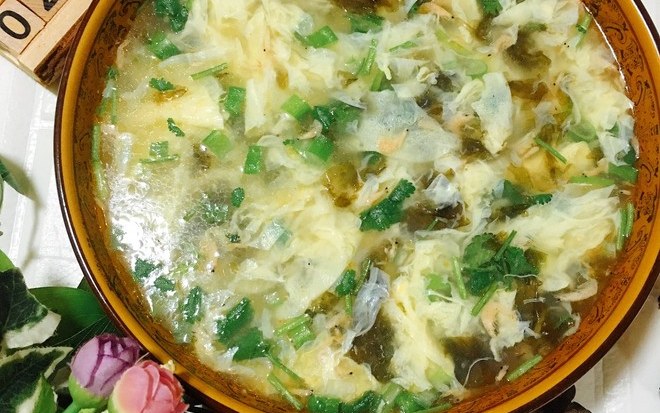
Hot steamed rice is the classic partner — tomato egg over rice is the Chinese weeknight default, and the saucy style here is built for spooning straight over. It's also excellent ladled over plain noodles for a two-minute lunch, or mopped up with toast for a Chinese-style brunch. For a fuller home-style dinner, add a simple smashed cucumber salad and a light seaweed soup on the side. Leftovers keep two days refrigerated and reheat gently in a covered pan with a spoon of water — the eggs stay softer than any microwave could manage.
Pro tips
- The single biggest mistake is cooking the eggs all the way through. Pull them off the heat when they still jiggle — residual heat finishes them, and they'll re-meet the hot tomato for just 30 seconds at the end.
- Salt the eggs before cooking, not the pan. Early salting loosens the protein network slightly, which is part of why these curds stay custardy instead of squeaky.
- Press and chop the tomatoes against the pan with your spatula on low heat. This releases their juice and pectin and thickens the sauce naturally — every version that adds ketchup is dodging this step.
- Choose deep-red, heavy-for-their-size tomatoes. Underripe tomatoes stay watery and sour no matter how long you cook them.
- For a juicier, saucier version (great over rice), add 2 Tbsp water with the tomatoes and cover for 2 minutes before mashing them down.
Storage & leftovers
- Refrigerate leftovers in a sealed container for up to 2 days; more water will seep out as it sits.
- Reheat gently in a skillet over low heat for 2–3 minutes, or spoon cold over hot rice — it turns into a sauce that way.
- Freezing is not recommended; the eggs turn rubbery and watery when thawed.
Frequently asked questions
Do I have to peel the tomatoes?
Yes, for this version — the peeled tomatoes melt into a smooth, rich sauce instead of leaving curly skins floating around. The boiling-water trick makes it take under 2 minutes.
Why is my version watery?
Three usual causes: underripe tomatoes, high heat that evaporates nothing, or skipping the press-and-mash step. Cook the tomatoes on low heat, pressing until they visibly break down and the sauce turns from watery to glossy.
Should I add sugar?
Chinese home cooks split on this. If your tomatoes are sweet and ripe, skip it. If they taste sharp or supermarket-flat, ¼ tsp sugar won't make the dish sweet — it just rounds off the acidity.
Can I make this ahead?
It's best eaten within minutes — the eggs keep releasing water as they sit. If you must, refrigerate up to 2 days and reheat gently in a skillet; it becomes a great tomato-egg sauce for noodles the next day.
Is this the same as Western scrambled eggs with tomatoes?
Not quite. Western versions often cook the tomatoes into a drier relish or bake eggs in tomato sauce. The Chinese dish keeps the eggs silky and separate, folded into a quick tomato sauce at the last moment.
How do I scale it up?
Keep the ratio of roughly 1½ eggs per tomato and season at about ¼ tsp salt per egg. Use a wider pan and cook the tomatoes in one layer, or they'll steam instead of frying.
Can I use ketchup instead of mashing the tomatoes?
You can, but you'd be making the restaurant-style version, not this one. Here the thickness comes from tomatoes broken down by patient pressing — no ketchup, no cornstarch. Ketchup adds sweetness and gloss, which is a different (also legitimate) dish.